
I'm often asked, "So, how do you like retirement?"

Updated: Mar 6
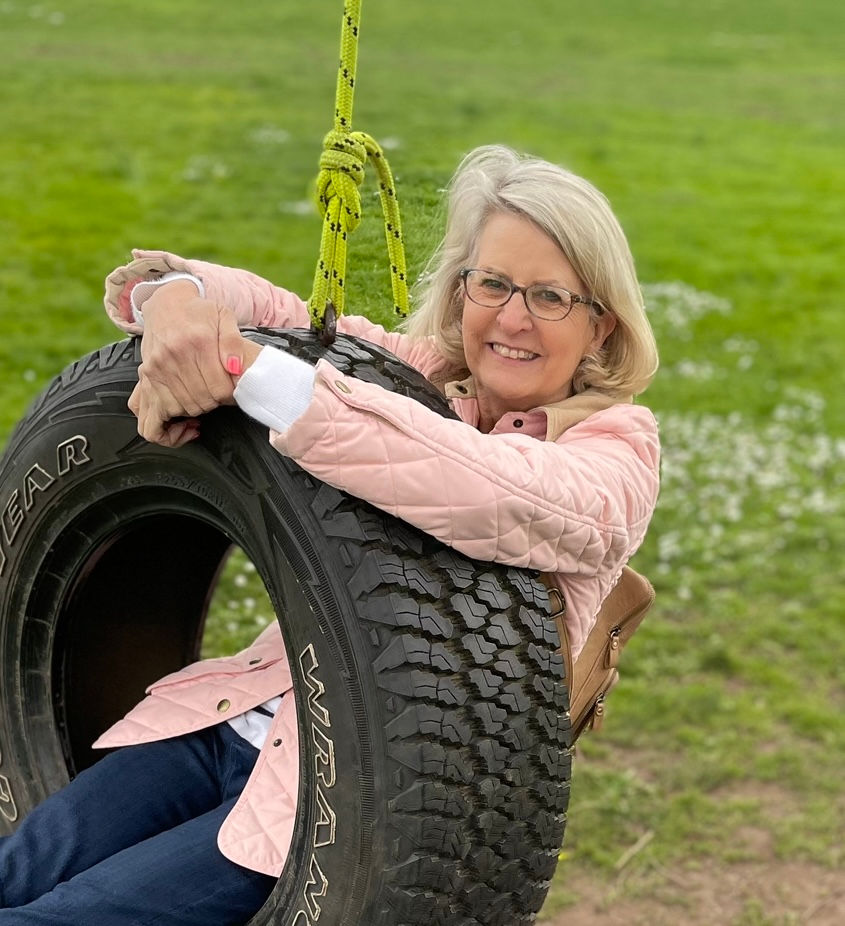
Now that I’m retired, that question feels a little funny because no one ever asked me:
“How did you like having summers off?”
“How did you like college?”
Retirement, for me, is F U N.
It feels a lot like college again. Every day there’s something meaningful to learn or do. A little “PE.” A few chores. And a lot more freedom for adventures, volunteering, and spending time with my people.
But retirement is not just fun. It’s a major life transition. And your neighbors and neighborhood become more important. See insight #19.
And as my wonderful neighbor in her 80's reminded me: "I can say that I've loved retirement ever since it started for me in 2000. However, having unexpected health issues now at 86 years sure does change one's perspective on life in general! I can say that I am grateful to have my little home, and a safe place to live with very fine neighbors -- essential commodities, these."
Most retirement advice focuses on money — the “go-go, slow-go, no-go years.” But if you’re working now, you may be in the ZOOM-ZOOM-CRAZY years. Downshifting is a big adjustment.
And for many, retirement isn’t neatly planned. It can be triggered by layoffs, ageism, health issues, or family needs.
Because I get asked so often, I think many of you are quietly wondering:
“What will my life actually be like when I’m not working?”
Here are my insights so far as someone newly retired. Add yours in the comments — I’ve always believed we are better together. And as I learn more, I'll update this post with new insights.
Insight #1: Retirement isn’t just a financial event — it’s a whole-life transition
Retiring affects ALL areas of your life, including:
Social
Emotional
Intellectual
Physical
Spiritual
Purpose and contribution
Lifestyle
Identity
Relationships and Family Dynamics
Sometimes geography if you move or downsize or become a "snowbird"
And yes — money.
No paycheck. No bonuses. No 401(k) match. No paid travel, lunches, or “boondoggles.”
Insight #2: you must become self-directed
You are now your own boss.
That sounds freeing — and it is — but it also means a lot of unstructured time. You need “anchors” in your week.
For me that includes:
Church and Bible study
Water aerobics
A Friday walking group
Taco Tuesday
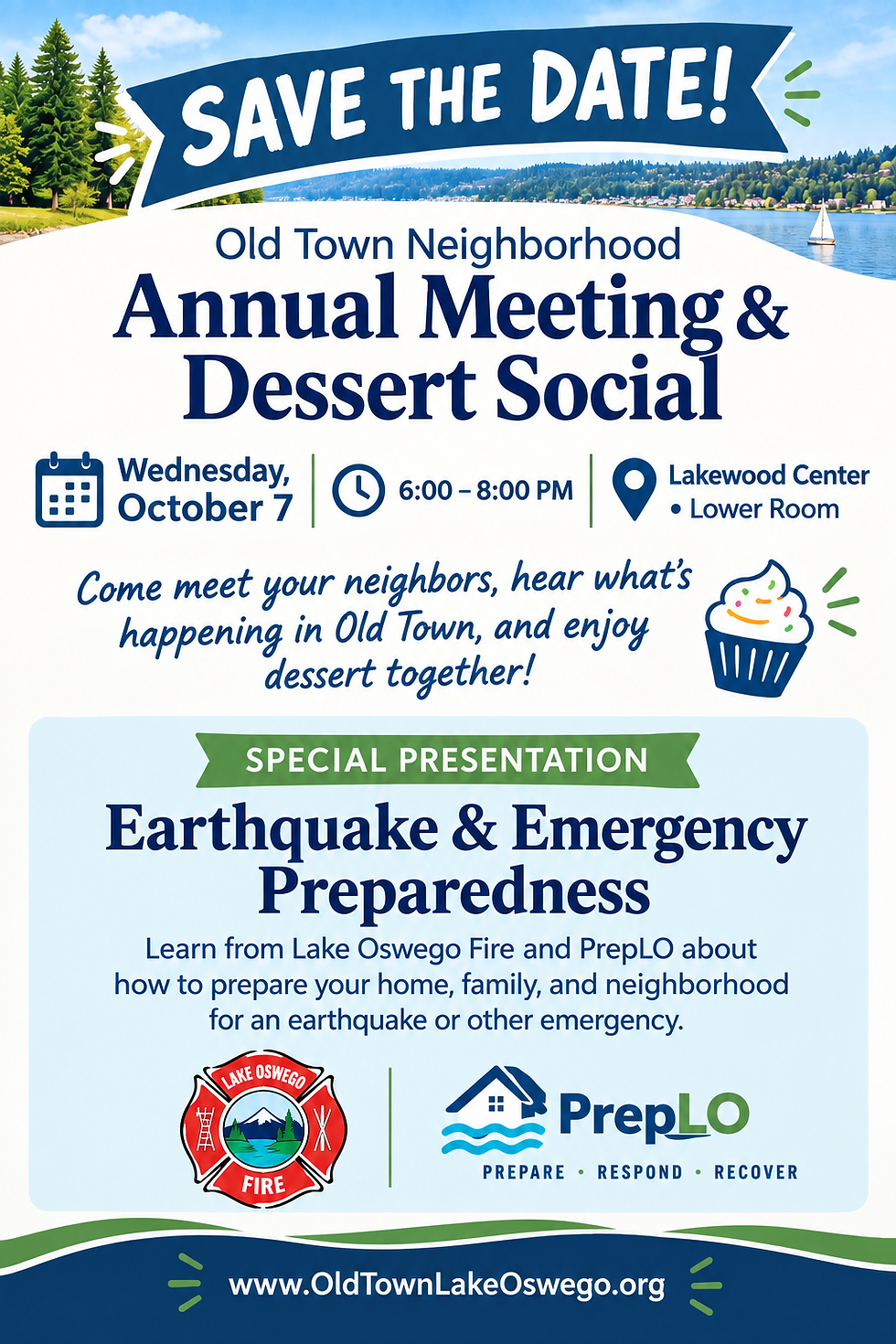
Neighborhood meetings
Dinners with friends
Walking the dog
Structure + freedom. Just like college.
You will still have chores and responsibilities to others. In fact, in retirement since you don't have a job, you can be more flexible to help others.
You have time for art, reading, music, writing, building, cooking, and gardening.
Insight #3: You will miss things from working
The paycheck. The intellectual challenges. The travel perks. And some of the people (you know the ones who you were in the trenches with, who made you laugh, who you learned from and who you enjoyed being with).
You’ll also miss the support infrastructure at work. Now you’re the admin assistant, CFO, benefits manager, and janitor.
You’ll need to:
Replace the intellectual stimulation and challenges from work
Intentionally build more social circles
Manage your finances wisely
Stay disciplined with “admin tasks”
Learn a lot about travel and how to do it most economically and get the best ROI on your travel dollars based on your priorities. For example, we pay for extra legroom on flights and try to fly mid day because we spent decades getting up at 5am to make a 6:30am flight. You don't have to do that anymore unless you want to.
Insight #4: "So, what do you do?"
At first, that question feels uncomfortable.
But you get over it.
People are curious about your background. They’re far more interested in how you’re spending your time now — trips, grandchildren, projects, service, hobbies.
Early on, I mostly wanted to sleep and plant flowers. Now I feel more complete helping others.
Insight #5: Every day is not like Saturday when you are retired
You still have chores, appointments, meetings and laundry.
But here's what's awesome: You can grocery shop midweek. Eat out when restaurants aren’t crowded. Travel mid-day instead of at 6:30am.
Insight #6: You will spend a LOT more time dealing with money
You shift from: Earning → Drawing from your savings.
You think about:
Taxes
Healthcare
Inflation
Long-term care
How to reduce your fixed expenses
When to use your HSA
Trusts, wills and advanced directives
When to take Social Security
Unexpected big expenses that reduce "the fun budget"
How you can/will recover from a stock market crash
“What’s best for my 80-year-old self?”
Your financial advisor and tax professional become very important voices. I'm grateful to have a "2-fer": our CPA is also our wealth advisor. Talking to him is a bit like talking to the CFO when I was working.
You’re still doing ROI calculations and "targeting" like you did at work — just for your life.
Insight #7: your "core strengths" get redeployed
The collaboration, leadership, strategy, listening, writing, connecting — all those strengths at work I now use volunteering, leading small groups, neighborhood advocacy, mentoring, and community building. It's wonderful to use those gifts for good!
Insight #8: you can say "no"
Because you're not getting paid, your options become: sure, not now, or no thanks.
Insight #9: You will be exercising a lot more!
A friend who is a physical therapist told me "retirement is the stage of maintaining your body for a better, longer life."
You'll need much greater focus on preventative care of your body, mind, teeth and soul.
Remember in PE in high school taking all those different "units" to expose you to different type of sports and exercise? Well, now you get to do that yourself.
I force myself to do strength training. But everything else is for fun!
So many options to try and learn new things. You have more time to actually enjoy exercising and it's often social time too.

Insight #10: You'll check the weather app more often
When I was working, I checked the weather mostly for commuting, deciding what to wear, or planning work travel.
Now I check the weather much more often — the night before, first thing in the morning, and sometimes throughout the day — to figure out the best time to go for a walk, run errands, stay home to read or do chores.
I also look at the weather each morning for the places where my family and friends live, just to imagine what their day may be like. And of course, I’m always checking the forecast for wherever we’re traveling next and where we might want to go.
Insight #11: You will spend more money
Because you have more time, more hobbies, classes to take and more traveling to do. You'll also need a new wardrobe and lots more shoes for all the new sports you've taken up!
You'll spend more on groceries because you'll be eating every meal at home. Or going out, which you'll want to do to "give yourselves a break" from making every meal. Our motto is "We go out to eat to enjoy food we don't know how to make at home." Sushi!
Insight #12: Your health and your loved ones health often determines the quality of life of your retirement
What's that saying, "A mother is only as happy as her unhappiest child." Well, in retirement I've seen that your own enjoyment in retirement is linked to:
Your health
Your spouse's health
Your parents health
Your adult children's health
And your grandkids health
Insight #13: There are still "family trips" and "vacations" but no work boondoggles
Like you did when you were working, if your family doesn't live in the same town or state you do, you'll still be spending money on "family trips" but instead of paying for the kids to go, you will be paying to fly to see your family (and grandkids!) and may need to stay at a hotel, rent a car, and take the family out for meals. Or, perhaps you'll choose to fund "family trips" for your kids and grandkids where you rent a big place for everyone to be together.
Then you'll want some budget for "girls trips" or "guy trips". These are wonderful opportunities to reconnect with "forever friends" and enjoy time together without kids and work stressors.
You'll want to set aside money to attend weddings, memorial services, graduations and family reunions.
Some "big trips" will require a lot of planning and expense but they'll be on your "bucket list" when you retire. You'll get time before and after to recharge if you go to Africa or Europe or Asia or Latin America vs. having to "hit it on Monday" after a big business trip. But you will have to decide if business class is in your budget. And friends recommend investing in travel insurance and really scrutinizing the plans to make sure you will be covered well in an emergency.
And then you'll want a budget to actually go on a vacation (or vacations) where you go do exactly what you want to do when you want to do it! Maybe there's even a little red flag to raise on the chaise lounge by the pool to get drinks and food delivered poolside.
One of the luxuries of retirement is "slow travel". When I was working, most trips were short and tightly scheduled — a few vacation days squeezed between meetings, or adding a quick weekend onto a business trip. Everything felt rushed. In retirement, we have more time to experience a destination more like a temporary local — walking neighborhoods, visiting parks, and being more spontaneous. And because retirement gives you more flexibility, you can travel during off-peak seasons and times of the day and week, find better prices, and stay longer.
Insight #14: Your pet (or pets) will become like your children
You’ll spend more time — and money — on them. And when you travel, you’ll need trusted people to care for your furry friends if you don't take them with you. I love when our dog sitters send texts with photos of what our dog is doing while we’re away. It reminds me of the updates our nanny used to send about the kids when I was traveling for work.
We do travel with our dog and it seems very unfair that airlines let “lap children” fly free, but our little dachshund Walter takes up the legroom under my seat and we're charged $100 to $150 per flight for him to go along. Hotels also gouge you with pet fees for "extra cleaning" — even though our dog makes far less mess than most kids or college students!
Insight #15: figuring out healthcare will become an unpleasant "part time" job
Choosing healthcare insurance as a retired person is WAY more complicated than choosing a health plan from a short list that you were offered when you were working. Buyer beware!
You'll need to invest a lot of time to learn how the system works and be sure you're making decisions for "your 80 year old self" when you sign up at 65 because some decisions are very expensive later if you don't make them initially. Advice: talk to people who are retired who worked in healthcare and to former CFOs who managed company benefits who are very thorough and financially savvy.
And just because you have great medical coverage doesn't mean you can get into see a doctor, especially if your doctor retires or you're a snowbird.
What is wonderful is that the supplemental and advantage plans for Medicare often cover "free" (included in your premium) gym memberships.
And unlike many medical insurance plans that are within a network in your area, Medicare coverage is nationwide for many plans. So you can be a snowbird!

Insight #16: if you're married, you will spend 24 x 7 x 365 with your spouse
Except when you're each off doing your own things. And that time away from each other is important so you will be more interesting when they ask, "So how was your day?" Instead of answering "the same as yours", you will have new stories to share.
If you're single, you'll need to be very intentional to initiate social time with other people.
Married people, please remember to invite your single friends and not just do things as couples.
Insight #17: you may want to set up a "job share" with your spouse when you retire
This is especially important if one of you has been working outside the home and the other has retired earlier or has handled all the "house management" tasks while the other is working. A friend whose CEO husband retired announced to him that he would now be responsible for doing his own laundry "because you have 3x more dirty laundry than I do." He adjusted.
Same with the "mental load" of "what are we having for dinner?" And planning and making dinner. Share that. Breakfast and lunch "on your own" is our deal. We enjoy making dinners together. My husband has become great at grilling and using the Air Fryer for his French fries. I've become very good at creating healthy vegetables and side dishes.
Insight #18: you will become "the safe sounding board" for people who are working
They need to vent to someone who "gets their pain" and know that when they share their woes it won't have career blowback. That includes hearing from your former co-workers, clients and your adult kids, often when they are commuting. I like it. It's nice to listen, help if I can and then hang up and think, "glad I'm retired."

Insight #19: your neighbors will become more important
All that time you spent at the office, will now be spent at home in your neighborhood (when you're not traveling). You'll have more time to get to know people, help each other and have fun together.
Insight #20: you will have more time for family, grandchildren, and friends
And you'll need to be intentional and flexible in adjusting around people who are at different "chapters" of life. Some people will only be available on weekends. Others only for an hour. Their time is limited; you are more flexible.
Insight #21: you will spend more time and money on your house and garden
Because you'll be home more.
Yet, you'll be more concerned about "big expenses" like a new roof or refrigerator because you don't get bonuses any more.
Insight #22: I pray more. I listen to God more.
Insight #23: you will have more time to help others
I bring friends meals after they’ve had a baby or come through a surgery. I’m more available to listen and learn from others and I become more aware of how I can help them. You will not be spending time commuting! You can volunteer for causes you care about.
Insight #24: you will get as much sleep as you need
Unless the dog wakes you up early or you want to get up early for something fun.
You can go to bed whenever you want because most retired people eat dinner by 6pm and get up early to "seize the day".
Insight #25: you can be spontaneous!
Remember college? Asking friends "who wants to go out tonight?" or "Who wants to go on a road trip?" Well, you get to do that again!
Insight #26: you won't have to rush, rush, rush
I enjoy doing a few "big things" each day and then having time to do what I please. This freedom from chaos and rushing is probably my favorite benefit of retirement.
Now, I have time to stop and smell (and fertilize, prune and spray) the roses. It's wonderful to see the hydrangeas bud out. I’m less rushed and more present.
And like Paul in the Bible, I’m learning to be content and joyful in different circumstances. And I know, in this life we will have trouble so I try to seize each day and be grateful for all the blessings.
Does retirement sound FUN?
It is! It's just not only fun. It requires planning, prioritizing, and adjusting, along with continually learning. But you've been there, done that managing your career and life while you were working so you'll be equipped for this new "chapter" in life.
Retired friends, what are your insights to add to this?
Working friends, what are your questions left unaddressed?


Comments